The Ultimate Guide to Electrode and Substrate Materials of the Electromagnetic Flowmeter: Stop Guessing

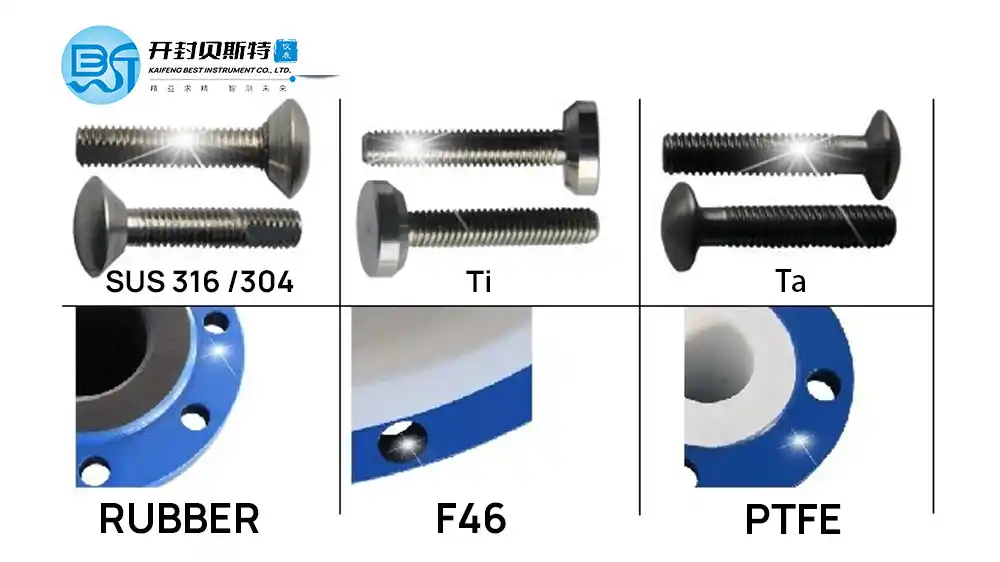
In the high-stakes world of industrial automation, this is a reality we face every day. Specifically, the correct choice of electrode and substrate materials of the electromagnetic flowmeter is the deciding factor between a device that lasts a decade and one that fails in ten days.
So, what is the secret formula?
In short, there is no “one size fits all.” The optimal choice depends entirely on your fluid’s unique personality—its corrosiveness, abrasiveness, and temperature. For 80% of standard water applications, Stainless Steel 316L electrodes paired with a PTFE liner work perfectly. However, if you are dealing with aggressive acids or abrasive slurries, you must upgrade. In those cases, Hastelloy or Tantalum electrodes combined with Ceramic liners are the only way to prevent catastrophic leaks.
As an instrumentation engineer with over 10 years in the field, I’ve seen too many projects derail due to poor choices. I know it’s stressful. That’s why I wrote this guide—to help you avoid those expensive pitfalls.
Why Electrode and Substrate Materials of the Electromagnetic Flowmeter Are Critical
If you assume all magnetic flowmeters are built the same, you might want to think again.
Let me share a quick story. Early in my career, I consulted for a chemical plant. To save a few bucks, the procurement officer chose standard stainless steel electrodes to measure Hydrochloric Acid (HCl).
Can you guess what happened next?
In less than two weeks, the acid ate right through the electrodes. Consequently, this caused a hazardous leak that shut down their entire production line. It was a disaster.
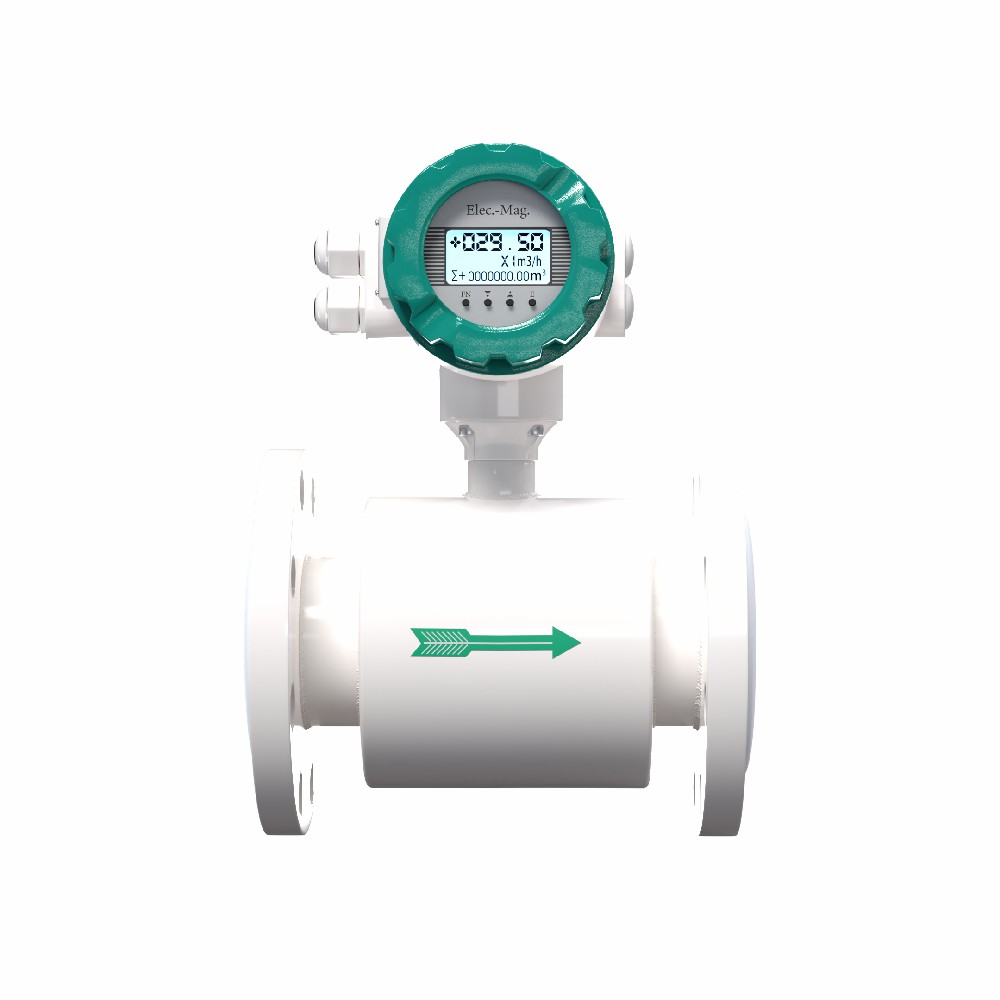
This incident taught me a valuable lesson. The electrode and substrate materials of the electromagnetic flowmeter act as the heart and skin of your instrument. The electrodes must conduct electricity while fighting off corrosion. Meanwhile, the substrate (liner) must insulate the tube. If either one fails, the game is over.
Deep Dive: Choosing the Right Electrode Materials
When we select electrodes, our primary enemy is corrosion. Based on actual field performance, here is my breakdown of the materials you will encounter most often.
1. Stainless Steel 316L
Think of 316L as the reliable “daily driver” of the industry. In fact, about 70% of the projects I manage use this standard material.
- Best For: Water, sewage, and neutral solutions.
- My Warning: Be careful with chloride ions. If your fluid has high concentrations of them, avoid 316L. It will suffer from pitting corrosion faster than you’d expect.
2. Hastelloy B and C
When stainless steel waves the white flag, Hastelloy is my go-to upgrade. It offers incredible resistance to non-oxidizing acids.
- Best For: Hydrochloric acid, phosphoric acid, and organic acids.
- Pro Tip: dealing with sodium hypochlorite? Hastelloy C is a beast against this common disinfectant.
3. Titanium and Tantalum
Now, we are talking about the heavyweights.
If you are dealing with chlorine gas, Titanium is mandatory. On the other hand, Tantalum is the ultimate enemy of concentrated sulfuric acid.
- Field Note: Here is the catch. Tantalum electrodes are chemically strong but physically soft. I always tell technicians to handle them like glass. A single scratch during installation can ruin everything.
Deep Dive: Selecting the Best Substrate (Liner)
Now, let’s look at the second half of the equation: the liner. For this, you need to think about temperature, vacuum conditions, and abrasion.
1. PTFE (Teflon) / PFA
In my opinion, PTFE is the undisputed king of chemical resistance. It handles scorching temperatures (often up to 180°C) without breaking a sweat.
However, it has an Achilles’ heel: Vacuum.
I once inspected a pipe where a vacuum formed accidentally during a cleaning cycle. The result? The PTFE liner collapsed inward like a crushed soda can, blocking the flow completely. Therefore, for vacuum applications, always choose PFA. It is mechanically anchored to the tube and won’t collapse.
2. Polyurethane and Natural Rubber
What if your fluid is a mining slurry full of sand and rocks? PTFE would be worn away in weeks.
In this case, you need toughness. Polyurethane is the gold standard for the mining industry. Instead of absorbing the impact, it bounces particles off.
- The Downside: These materials have limits. They generally cannot handle high temperatures (usually capped at 60-80°C) or strong acids.
3. Ceramics
This is the nuclear option for extreme conditions.
Do you have high heat, high pressure, strong corrosion, and abrasion? Ceramic liners are likely your only hope.
But be warned: they are brittle. I have seen ceramic liners crack simply because a forklift bumped the crate too hard. Please, handle with extreme care.
Expert Comparison Table: Material Selection Cheat Sheet
I know this is a lot of information to digest. To make your life easier, I have compiled this cheat sheet. Use it to quickly identify the right electrode and substrate materials of the electromagnetic flowmeter.
| Category | Material | Key Pros | Key Cons | Typical Application |
| Electrode | SS 316L | Low cost, widely available | Weak against Chlorine & strong acids | Water, Sewage |
| Electrode | Hastelloy C | Resists oxidizing salts & acids | Higher cost | Mixed acids, Seawater |
| Electrode | Tantalum | Resists almost all chemicals | Expensive, soft metal | Sulfuric Acid, HCL |
| Electrode | Titanium | Excellent against Chlorides | Weak against reducing acids | Chlorine water |
| Liner | PTFE (Teflon) | Top chemical & heat resistance | Poor abrasion & vacuum resistance | Acids, Hygienic fluids |
| Liner | Polyurethane | Amazing abrasion resistance | Low heat & chemical tolerance | Mining slurries, Mud |
| Liner | Hard Rubber | Good balance for water | Not for strong oxidizers | General industrial water |
A Real-World Troubleshooting Case
Theory is great, but the real world is where things get messy. Let me share a difficult case I solved last year regarding flowmeter materials.
The Scenario:
A paper mill was in a panic. Their flowmeter readings were jumping wildly, and the signal would often drop to zero without warning.
The Diagnosis:
The meter was measuring paper pulp. This medium contains heavy fibers and moves at high velocity. Unfortunately, the client had installed a standard PTFE liner with 316L electrodes.
The Root Cause:
- Slurry Noise: As the fibers scraped over the stainless steel, they generated static. The standard electrodes just couldn’t filter this noise out.
- Liner Deformation: The soft PTFE was actually being worn down at the inlet, creating turbulence.
The Fix:
We swapped the unit for one featuring Tungsten Carbide coated electrodes and a Ceramic liner. The Tungsten is hard enough to reduce noise, and the ceramic is impervious to the abrasion. The result? The reading stabilized immediately.
3 Common Mistakes Beginners Make
In my 10 years of consulting, I see engineers make the same mistakes repeatedly. Don’t beat yourself up if you’ve done these; just learn from them.
1. Assuming “Expensive” Means “Better”
It is easy to think that Tantalum is the best because it costs the most.
But here is the truth: if you use Tantalum in a strong caustic soda application, it will dissolve. Price does not equal performance. Compatibility is the only metric that matters.
2. Ignoring Cleaning Temperatures (CIP)
I once had a client in the food industry who selected a rubber liner. Their process temperature was only 40°C, so it seemed like a safe bet.
However, they forgot about the daily CIP (Clean-in-Place) cycle. This used 130°C steam.
The rubber liner didn’t stand a chance. It blistered and failed within a month. Always check the maximum possible temperature, including cleaning cycles.
3. Overlooking Flow Velocity
It’s not just about chemistry; it’s about physics.
Velocity dictates wear. If your flow rate exceeds 3-4 meters per second and contains particles, standard liners will fail. In these high-velocity applications, you must prioritize the hardness of the liner.
Conclusion: Making the Final Decision
Selecting the correct electrode and substrate materials of the electromagnetic flowmeter isn’t magic; it is a science.
Before you sign that purchase order, take a deep breath and ask yourself three questions:
- What is the exact chemical composition? (This determines the Electrode)
- What is the max temperature, and is vacuum possible? (This determines the Liner)
- Are there solids in the fluid? (This determines Abrasion Resistance)
If you can answer these three questions and use the table above, you will ensure a long operational life for your instruments.
Do you have a specific fluid you are struggling to measure? Leave a comment below with your application details, and I will help you choose the right materials!
admin
System Administrator
Thank you for reading our technical insights and industry news.