Vortex Flow Meter: Correct Installation Guide
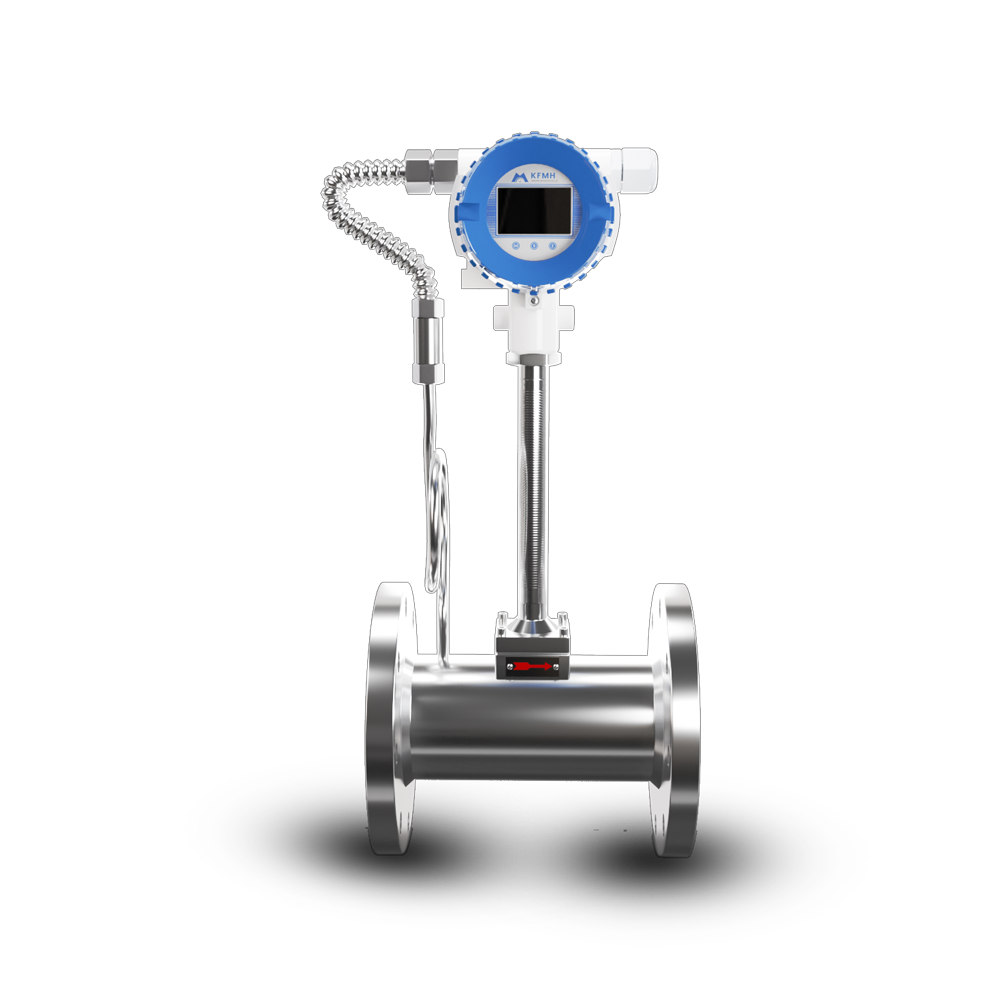
The proper installation of a vortex flow meter is crucial for accurate flow measurement and optimal performance. This guide outlines the best practices for installing vortex flow meters, ensuring that your system operates efficiently and reliably.
Understanding Vortex Flow Meters
What is a Vortex Flow Meter?
A vortex flow meter is a device used to measure the flow rate of liquids, gases, and steam based on the principle of vortex shedding. As the fluid flows past a bluff body within the sensor, vortices are generated. The frequency of vortex shedding is directly proportional to the flow velocity, providing an accurate measurement.
Applications of Vortex Flow Meters
Vortex flow meters are widely used in industries such as oil and gas, water treatment, chemical processing, HVAC, and food and beverage production. They are particularly effective in measuring fluids that are clean and have stable properties.
Installation Considerations for Vortex Flow Meters
1. Proper Location of Installation
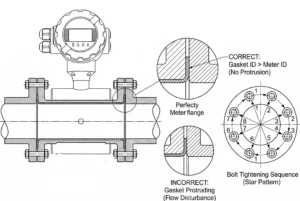
To ensure accurate flow measurements, the vortex flow meter should be installed in an area where flow conditions are stable and undisturbed. Avoid placing the sensor too close to bends, valves, or other obstructions that could cause turbulent flow. It is recommended to have at least 10 pipe diameters of straight pipe upstream and 5 pipe diameters downstream from the meter.
2. Pipe Orientation
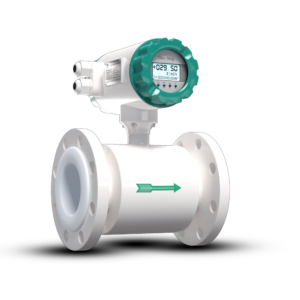
The orientation of the vortex flow meter is crucial. Typically, the meter should be installed with the flow direction marked on the body of the device. Ensure the sensor is positioned such that the flow is in alignment with the flow meter’s arrow.
3. Fluid Temperature and Pressure
Ensure the vortex flow meter is installed within its specified temperature and pressure range. This information can usually be found in the manufacturer’s datasheet. If you are measuring steam or high-temperature fluids, special consideration must be given to thermal insulation to avoid temperature fluctuations.
4. Mounting and Support
Vortex flow meters can be heavy, so they should be securely mounted on the pipeline. Use proper mounting supports to ensure the meter remains in a fixed position, preventing any mechanical stress that could impact the accuracy of the readings.
Step-by-Step Vortex Flow Meter Installation
Step 1: Inspect the Flow Meter
Before installing the flow meter, inspect it for any physical damage or shipping defects. Verify that the flow meter is suitable for the application, including its size, material, and pressure rating.
Step 2: Prepare the Pipe
Ensure the pipe is clean and free from debris. Any foreign particles can affect the vortex flow meter’s performance. Remove any burrs or sharp edges that may damage the sensor during installation.
Step 3: Install the Flow Meter
- Place the vortex flow meter in the desired location on the pipe.
- Align the flow meter’s arrow with the flow direction in the pipeline.
- Tighten the flanges or bolts to ensure the meter is securely installed without over-tightening, which could damage the sealing surfaces.
Step 4: Electrical and Communication Connections
- If the vortex flow meter has electrical outputs (e.g., 4-20mA), connect the wiring according to the manufacturer’s instructions.
- Ensure proper grounding to avoid electrical interference.
- If using digital communication protocols (e.g., Modbus, HART), ensure all connections are correct and tested.
Step 5: Calibration and Testing
After installation, calibrate the vortex flow meter as per the manufacturer’s instructions. This step may involve checking the flow rate with a known reference or running tests with specific fluid conditions to verify the accuracy of the device.
Step 6: Final Inspection
Once installed and calibrated, conduct a thorough inspection. Ensure there are no leaks, all connections are tight, and the system operates as expected. Perform a final test run to verify the meter’s performance.
Common Installation Errors and How to Avoid Them
1. Incorrect Pipe Orientation
Installing the vortex flow meter in the wrong orientation can lead to incorrect readings. Always ensure the flow meter’s arrow matches the flow direction.
2. Poor Location Selection
Installing the flow meter near bends, valves, or other obstructions can cause turbulence that affects accuracy. Ensure proper straight pipe lengths before and after the sensor.
3. Not Following Manufacturer Guidelines
Each vortex flow meter has specific installation requirements. Failing to follow these can lead to inaccurate measurements or premature failure of the device.
4. Electrical Interference
Electrical interference from nearby equipment can affect signal transmission. Ensure proper shielding and grounding for the flow meter’s electrical connections.
Conclusion
The correct installation of a vortex flow meter is vital for ensuring reliable and accurate flow measurement. By following the guidelines outlined in this article, you can ensure optimal performance and longevity of the device. Always refer to the manufacturer’s instructions for any specific requirements and consult with a professional if needed.

Geng, Tina
Sales manager
Thank you for reading our technical insights and industry news.