
Ultrasonic vs. Electromagnetic Flow Meters: The Ultimate Guide for 2026

Content
What is the difference between an ultrasonic and an electromagnetic flow meter? An electromagnetic (mag) meter is highly accurate for conductive fluids (like water and wastewater) and requires in-line pipe installation. An ultrasonic flow meter is ideal for non-conductive fluids (like pure water or oils) and offers a non-invasive, clamp-on installation without cutting the pipe.
When it comes to precise, reliable flow measurement in industrial and municipal applications, two technologies dominate the conversation: ultrasonic flow meters and electromagnetic (mag) flow meters. Both have unique advantages, but understanding which one best fits your specific needs can make a massive difference in performance, cost-efficiency, and maintenance.
In this detailed guide, we’ll dive deep into a comparative analysis to help you choose the right flow meter for your application.
1. What Is an Ultrasonic Flow Meter?
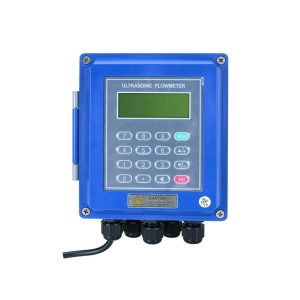
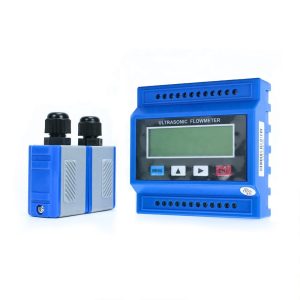
An ultrasonic flow meter uses high-frequency sound waves to measure the velocity of a fluid. Most importantly, it can do this without any moving parts or direct contact with the fluid (in the case of clamp-on types), making it a non-invasive and highly versatile option.
Main Types:
- Transit-time: Measures the time difference for pulses to travel with and against the flow. Best for clean liquids.
- Doppler: Measures the frequency shift of sound waves reflected off particles or bubbles. Best for dirty or aerated liquids.
2. What Is an Electromagnetic Flow Meter?
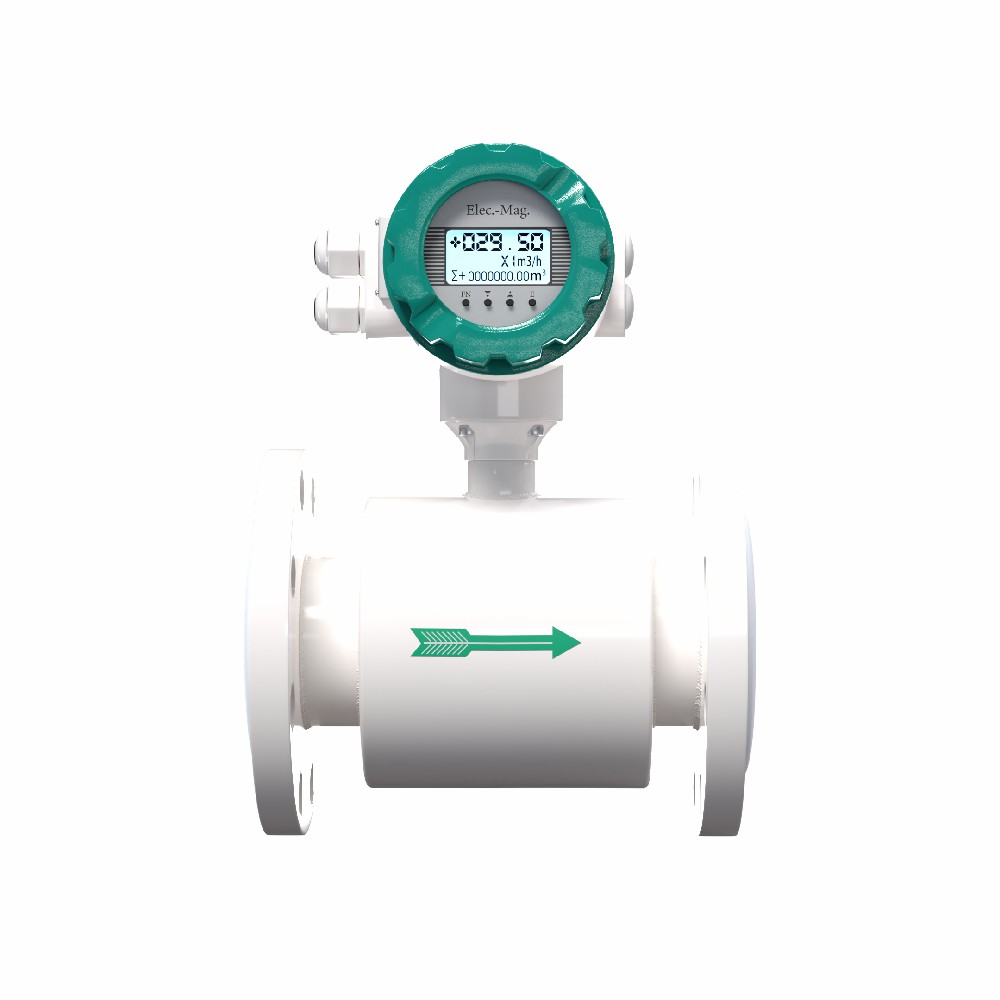
An electromagnetic flow meter works based on Faraday’s Law of Electromagnetic Induction. It measures the voltage generated as a conductive fluid passes through a magnetic field.
This type of flow meter is the industry standard for conductive liquids (conductivity > 5 µS/cm) such as water, slurries, sewage, and chemicals.
3. Clamp-on Flow Meter vs Mag Meter: Head-to-Head Comparison
([Developer Note]: Render the following data as a styled HTML/Tailwind table on your Next.js site)
| Feature | Clamp-on Ultrasonic Meter | Electromagnetic (Mag) Meter |
|---|---|---|
| Technology | Sound waves | Electromagnetic induction |
| Fluid Contact | Non-contact (External) | In-line (Requires fluid contact) |
| Fluid Requirement | Clean/Dirty (Depends on type) | Must be conductive |
| Accuracy | ±0.5% to ±1.0% | ±0.2% to ±0.5% |
| Installation | Zero downtime, no pipe cutting | Requires pipe modification |
| Maintenance | Extremely Low | Moderate (Electrode checks) |
4. Fluid Compatibility: The Deciding Factor
One of the most crucial decision points is the fluid you are measuring.
Choose Ultrasonic If You Measure:
- Non-conductive fluids (Hydrocarbons, DI/RO pure water).
- Applications where maintaining a 100% sterile environment is critical.
Choose Electromagnetic If You Measure:
- Conductive fluids (Municipal water, wastewater).
- Abrasive slurries, pulp, and harsh chemicals.
5. Cost Considerations
While mag meters are often more affordable upfront, clamp-on ultrasonic meters can save thousands of dollars on installation costs — especially in large-diameter pipes where cutting and welding are prohibitively expensive or shutting down the system is not an option.
6. How to Choose the Right Flow Meter? (Decision Checklist)
Ask yourself these key questions:
- Is the fluid conductive? Yes = Mag Meter; No = Ultrasonic.
- Can I shut down the system and modify the pipeline? If no, go for a clamp-on ultrasonic meter.
- Do I need extreme precision for billing? Mag meters generally offer a slight edge in absolute accuracy.
Conclusion & Expert Support
In the battle of ultrasonic vs. electromagnetic flow meters, there is no universal winner — only the right tool for your specific job.
Still unsure which technology is right for your pipeline? As a comprehensive supplier of advanced flow measurement solutions, our engineering team can help you select the exact instrument for your fluid, pipe size, and budget.
admin
System Administrator
Thank you for reading our technical insights and industry news.