Top-secret tip: How to build an ideal quantitative control system using electromagnetic flowmeters?

Quick Answer: How to Master Quantitative Flow Control?
Do you want to know how to accurately automate liquid dosing or filling? Quantitative flow control is the absolute core of industrial automation.
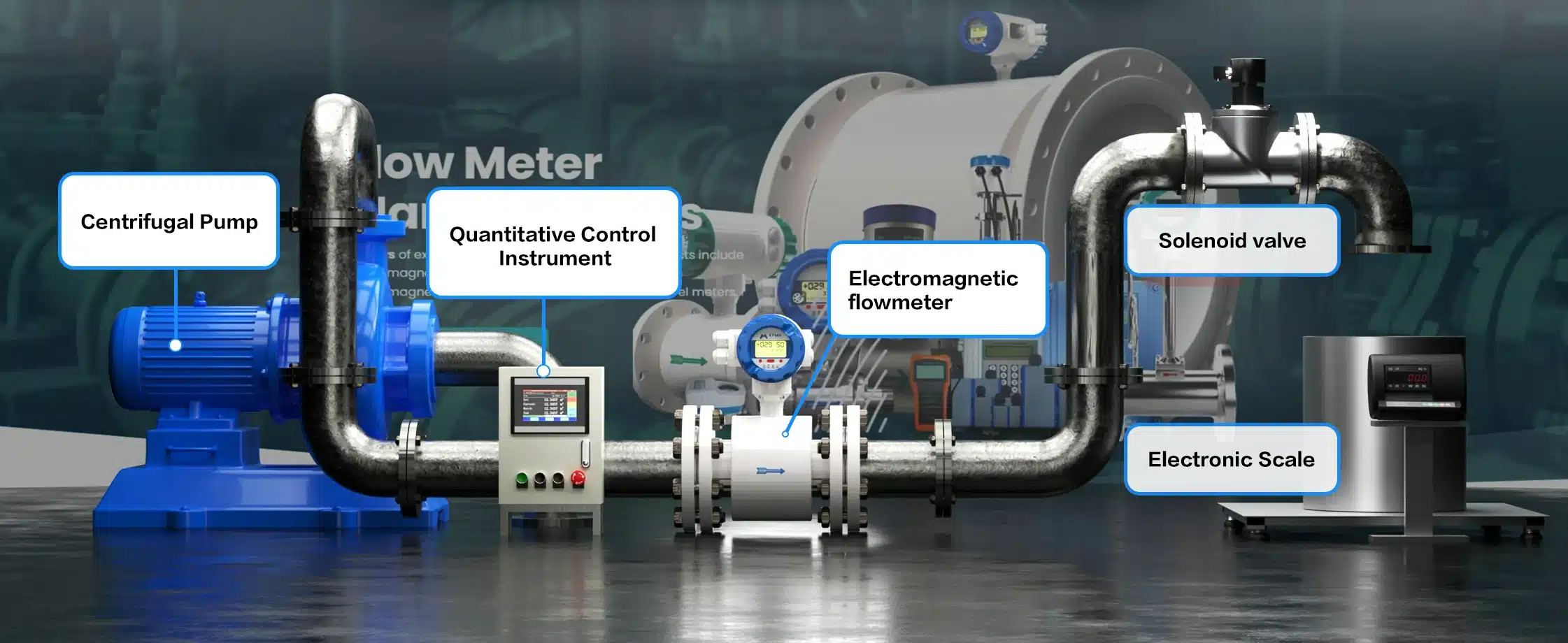
In short, using an electromagnetic flow meter for true quantitative flow control requires three distinct steps. First, the flow meter measures the fluid volume in real-time. Second, it sends high-frequency pulse signals to a batch controller. Finally, when the exact target volume is reached, the controller instantly closes a solenoid valve.
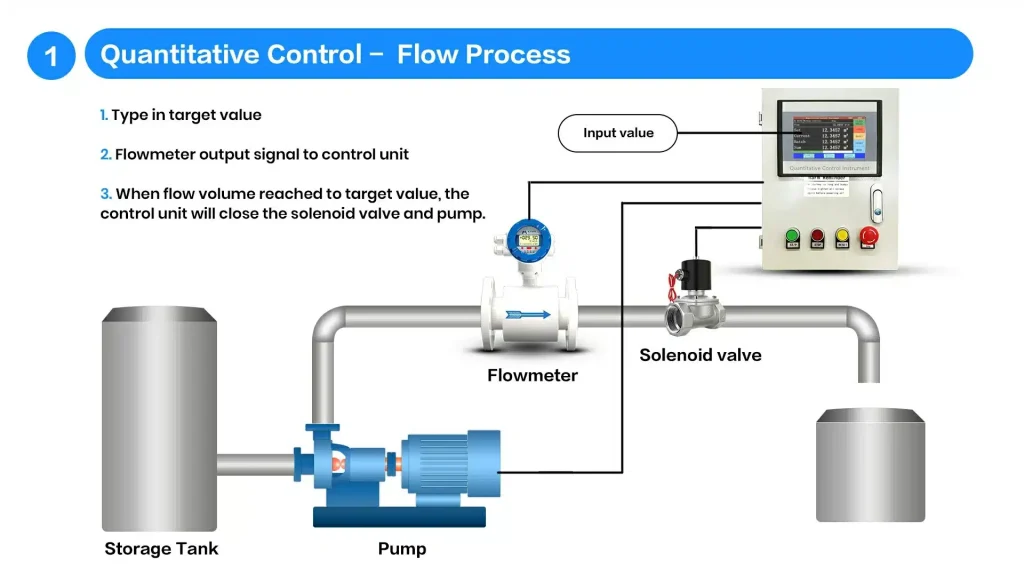
This closed-loop system minimizes human error. As an instrumentation engineer with 10 years of field experience, I have seen too many disastrous designs. Therefore, today, I will teach you exactly how to avoid those traps and build a highly efficient system.
What is True Industrial Quantitative Control?
Before diving into the hardware, we must align our technical understanding.
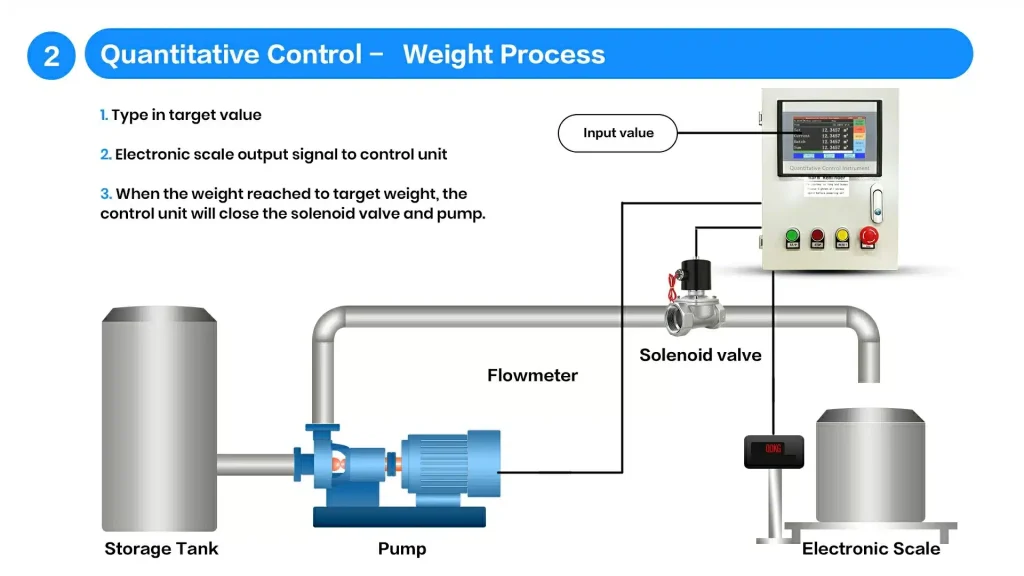
Quantitative flow control is not just about reading a flow rate. It is a complete, automated closed-loop action. In the chemical, food, and water treatment industries, we constantly need to add highly specific volumes of liquid into a reactor.
If you rely on manual valves and human timing, the error rate will be massive. A slight oversight of just a few seconds can ruin an entire batch of expensive products. Therefore, automation is the only logical path forward.
With a smart batching system, you simply type “500 Liters” on the digital panel and press start. The system automatically handles all the measuring and valve actuation. This is the true beauty of industrial automation.
Why is the Electromagnetic Flow Meter the Top Choice?
Among all the instruments available on the market, why do I highly recommend this specific technology?
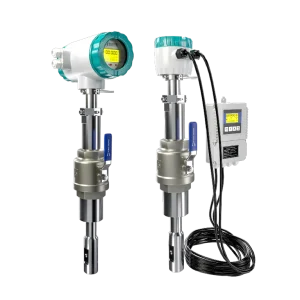
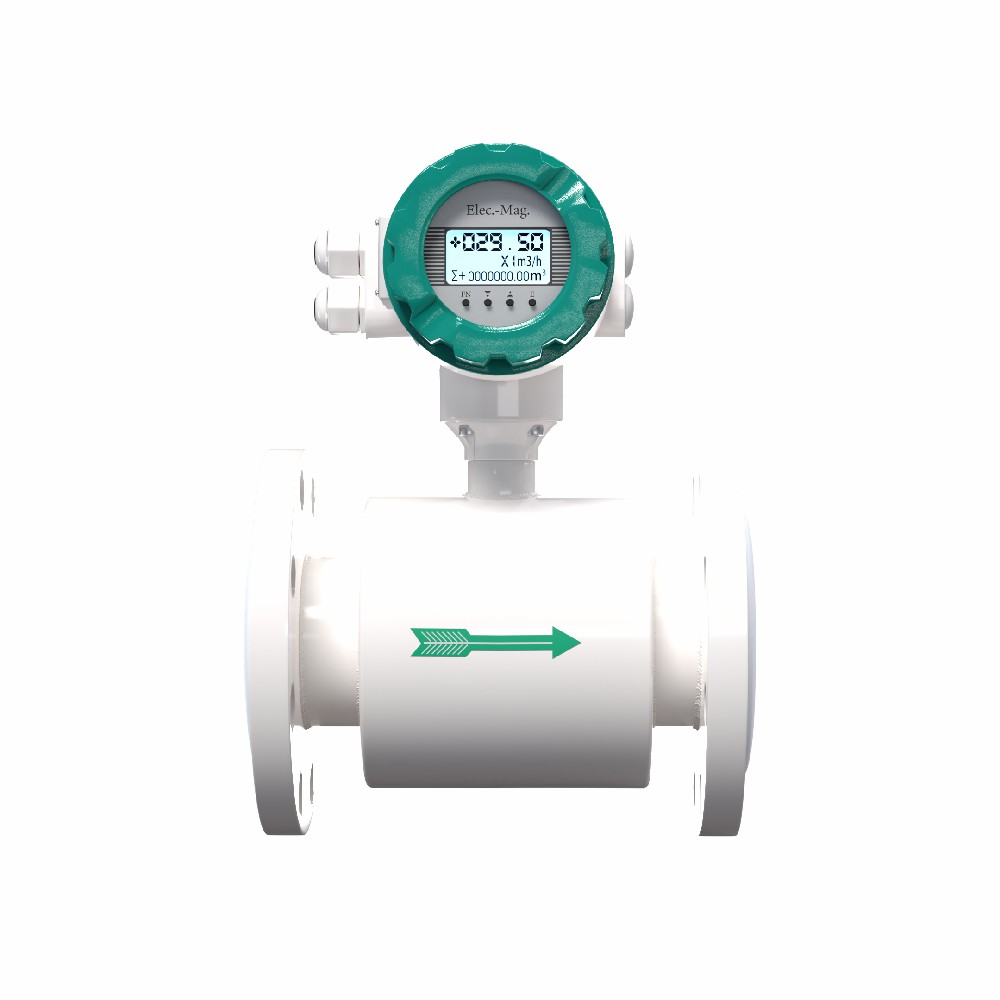
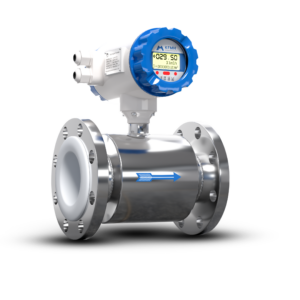
In my experience testing dozens of different flow meters, the electromagnetic flow meter has unparalleled advantages. First and foremost, there are no moving parts inside the measuring tube. This means it will never clog.
For slurries, wastewater, or fluids containing heavy solid particles, this is a critical advantage. Conversely, a mechanical gear flow meter would jam and fail almost instantly in these harsh conditions.
Furthermore, its measuring accuracy is incredibly high. As long as your fluid has a minimum electrical conductivity, it provides a highly stable, continuous pulse signal. This lays a rock-solid foundation for precise valve shut-off.
The 3 Core Components of a Perfect System
To make this automated batching system run smoothly, you need to assemble three core components. None of them can be missing.
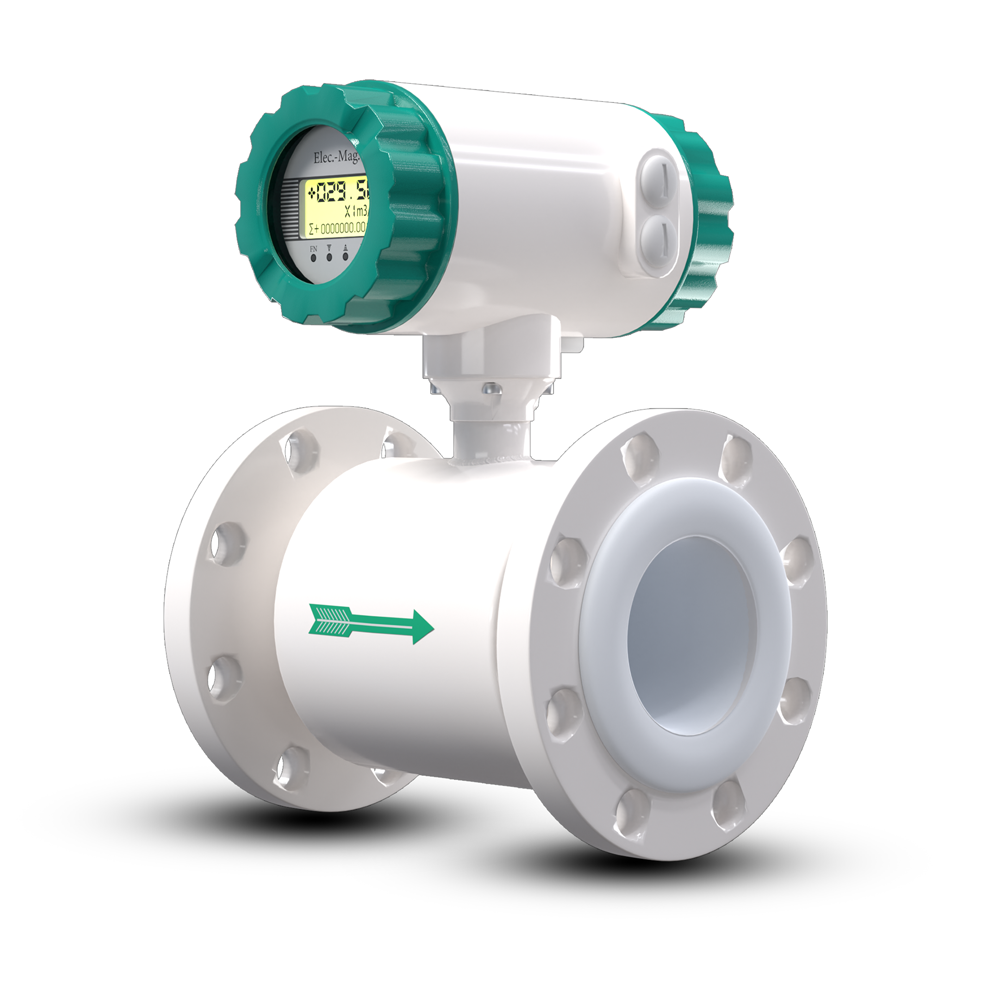
1. High-Precision Electromagnetic Flow Meter (The Eyes)
This is the “eyes” of your automation system. It precisely senses the volume of liquid flowing through the pipe. To achieve accurate quantitative flow control, you must select a transmitter model equipped with a high-frequency pulse output. A standard 4-20mA signal is not fast enough for batching.
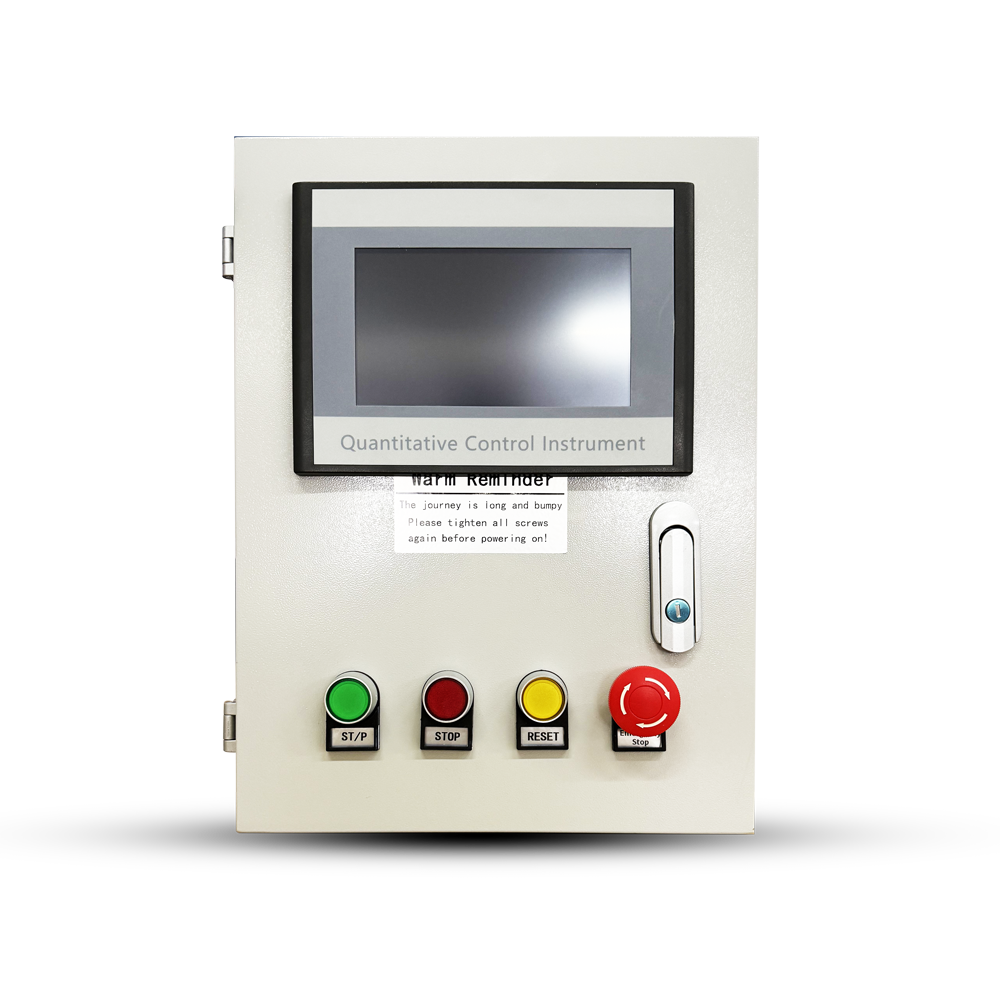
2. Smart Batch Controller (The Brain)
This is the central nervous system. It rapidly receives the electronic pulses from the flow meter. It internally converts these raw pulses into specific liters, gallons, or cubic meters. Operators can easily set their target batch values on its interface.
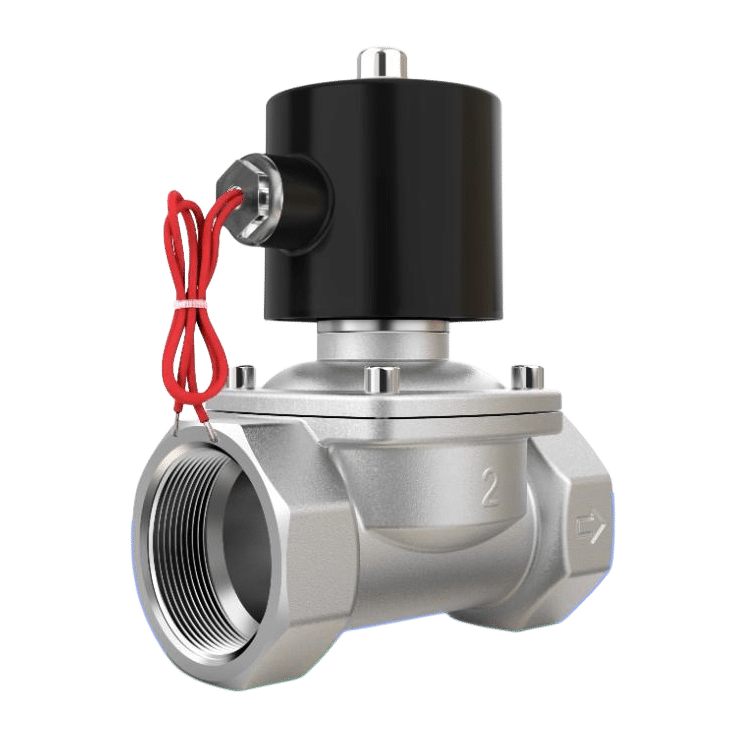
3. Fast Shut-Off Valve (The Hands)
Typically, we use fast-acting solenoid valves or pneumatic angle seat valves. When the brain sends a stop command, the valve must physically close within milliseconds. Your valve’s closing speed directly dictates the final accuracy of the entire batch.
Expert Review: Flow Meter Performance Comparison
To help you make a visual, data-driven choice, I created this comparison table. This summarizes my years of field testing and data collection.
| Meter Technology | Best Fluid Types | Batching Accuracy | Response Time | Maintenance Cost |
| Electromagnetic | Conductive liquids, wastewater, acids | High (±0.5%) | Extremely Fast | Very Low |
| Turbine | Pure water, light clean oils | Very High (±0.2%) | Fast | Higher (Wear parts) |
| Coriolis Mass | High viscosity, syrups, exact mass | Highest (±0.1%) | Slower | Extremely High |
| Ultrasonic | Large pipes, pure water | Medium (±1.0%) | Slower | Low |
As you can clearly see from the table, balancing total cost and performance, the magnetic flow meter is the absolute best choice for water-based and chemical fluids.
3 Fatal Mistakes Beginners Always Make
Many beginner engineers fall into the exact same traps when building their first system. Avoid these three mistakes, and your success rate will double immediately.
1. Ignoring Mechanical Valve Closing Delay
This is an incredibly common and expensive error.
Many novices forget that physical valves take time to close. If your target is 100L, and you signal the valve to close exactly at 100L, the flowing momentum means you might end up with 102L.
My Pro Tip: Always set an “advance stop” or pre-warn value (usually 1-2 liters early) inside the controller parameters.
2. Designing Pipes That Are Not Completely Full
An electromagnetic flow meter absolutely must operate in a completely full pipe.
If your pipe is half filled with air and half with water, the measurement will be completely distorted and useless. Therefore, your piping design must include a U-shape or a vertical rise. This ensures the sensor is always 100% submerged.
3. Poor Grounding Causing Signal Drift
Electromagnetic millivolt signals are very weak. They are easily disrupted by VFDs (Variable Frequency Drives) and nearby pumps.
In one troubleshooting case, a client’s controller numbers were jumping wildly. The reason was simply a lack of an independent, dedicated ground wire. In conclusion, perfect grounding is the prerequisite for stability.
Field Case Study: Optimizing a Chemical Dosing System
Enough theory. Let us look at a real-world, high-stakes scenario.
Last year, I managed a highly corrosive sodium hypochlorite dosing project for a chemical plant. The client complained bitterly about a 5% error rate on every batch. This caused severe raw material waste and quality control issues.
After taking over the project, I immediately revamped their entire system. First, I replaced their old, inaccurate rotameter. I installed a brand new electromagnetic flow meter featuring premium Hastelloy electrodes.
Second, I optimized the controller programming. I set the pulse equivalent very low, where each pulse represented exactly 0.01 liters. Finally, I swapped their slow electric valve for a pneumatic angle seat valve with a quick exhaust.
After a week of rigorous continuous operation, we were thrilled. The quantitative flow control error was permanently reduced to under 0.3%. The plant manager was absolutely delighted with the ROI.
Advanced Trick: Dual-Valve Control for Water Hammer
If you need large-scale quantitative flow control on massive pipes, here is an advanced engineering technique.
When a large-diameter pipe suddenly snaps shut, it creates a massive “water hammer” effect. This hydraulic shockwave can literally shatter PVC pipes. To solve this dangerous problem, we must introduce a “dual-valve” design.
How does it work exactly? We install one large valve and one small bypass valve in parallel. When the batch reaches 90% of the target, we safely close the large valve first. The small valve remains open, continuing to fill the tank slowly.
Once the exact final target is reached, the small valve snaps shut. This method completely eliminates water hammer. Furthermore, it dramatically improves filling accuracy. In other words, this is a master-level operation used by top integrators.
Conclusion and Your Next Steps
In conclusion, applying an electromagnetic flow meter for quantitative flow control is a true science.
It is not just about slapping random parts together. You must carefully consider fluid characteristics, electronic signal transmission, and mechanical valve delays.
If you strictly follow the engineering principles I shared today and avoid those common traps, you will succeed. You can absolutely build an industrial-grade, high-precision automated dosing system yourself.
Are you facing any frustrating bottlenecks in your current batching setup? Or do you need expert help selecting the right valves and controllers? Please leave a detailed comment below, and I will do my best to provide a professional solution!
admin
System Administrator
Thank you for reading our technical insights and industry news.