Why Your Turbine Flowmeter Needs an Empty Pipe Alarm


Understanding Turbine Flowmeters
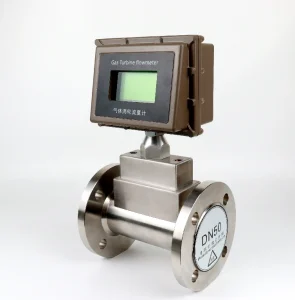
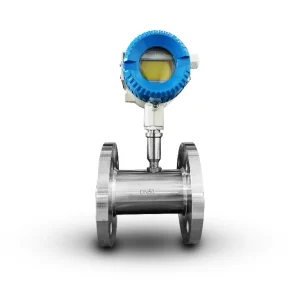
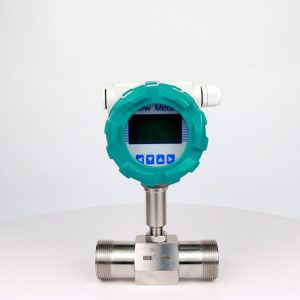
Turbine flowmeters are widely used in various industries for measuring the flow rate of liquids and gases. They operate by using a rotor that spins as fluid flows through the meter. The speed of the rotor’s rotation is directly proportional to the flow rate of the fluid.
- How Turbine Flowmeters Work
The basic principle behind turbine flowmeters is the mechanical movement of the rotor, which is triggered by the flowing fluid. As the fluid passes through the meter, it pushes the turbine blades, causing them to spin. The rotational speed of the turbine is then converted into an electrical signal, which corresponds to the flow rate. - Key Benefits of Turbine Flowmeters
Turbine flowmeters offer high accuracy and repeatability in measuring flow. They are particularly useful for applications involving clean, non-viscous fluids. Their design makes them cost-effective and easy to maintain, making them a popular choice for many industries.
The Risk of Empty Pipe Conditions in Turbine Flowmeters
Empty pipe conditions can occur when there is no fluid flow through the meter, causing the turbine blades to spin freely without the necessary resistance. This can lead to incorrect readings and potentially damage the flowmeter.
- Impact of Empty Pipes on Flowmeter Accuracy
When there is no fluid flowing through the turbine flowmeter, the rotor will not spin as expected. This can result in inaccurate or zero readings, affecting the overall measurement process. The meter will fail to detect flow, potentially leading to faulty operations and even system damage if left unchecked. - Consequences of Ignoring Empty Pipe Alarms
Ignoring the presence of empty pipes can have serious consequences. If the empty pipe condition goes unnoticed, it could lead to inaccurate flow measurements, damage to the flowmeter, and unoptimized system performance. In critical processes, this can cause system downtime, product quality issues, and even safety hazards.
Solutions for Managing Empty Pipe Issues in Turbine Flowmeters
To prevent the negative effects of empty pipe conditions, it is crucial to implement solutions that can detect and alert operators when there is no flow.
- Implementing an Empty Pipe Alarm System
An empty pipe alarm system is designed to detect the absence of fluid flow and notify operators immediately. By integrating an empty pipe detection system into your turbine flowmeter setup, you can ensure that any potential issues are flagged before they cause harm. This can help in maintaining accurate readings and ensuring the system operates efficiently. - Best Practices for Preventing Empty Pipe Conditions
To prevent empty pipe situations, regular maintenance, and inspections are essential. Operators should ensure that the flowmeter is installed correctly, and the pipeline is free of blockages or leaks. Monitoring the system for abnormal flow behavior and using secondary detection methods, such as pressure or temperature sensors, can help detect potential empty pipe issues before they cause disruptions.
Conclusion: Ensuring the Reliability of Your Turbine Flowmeter
In conclusion, integrating an empty pipe alarm system into your turbine flowmeter setup is essential for maintaining accuracy and reliability in flow measurements. By taking the necessary steps to address empty pipe conditions, operators can ensure that their flowmeters function optimally, preventing costly mistakes, system failures, and safety risks. Regular monitoring and proactive maintenance will help extend the life of the flowmeter and keep your systems running smoothly.
Geng, Tina
Sales manager
Thank you for reading our technical insights and industry news.