Electromagnetic Flow Meter vs Ultrasonic Flow Meter: Which One Should You Choose?
FLOWMETER

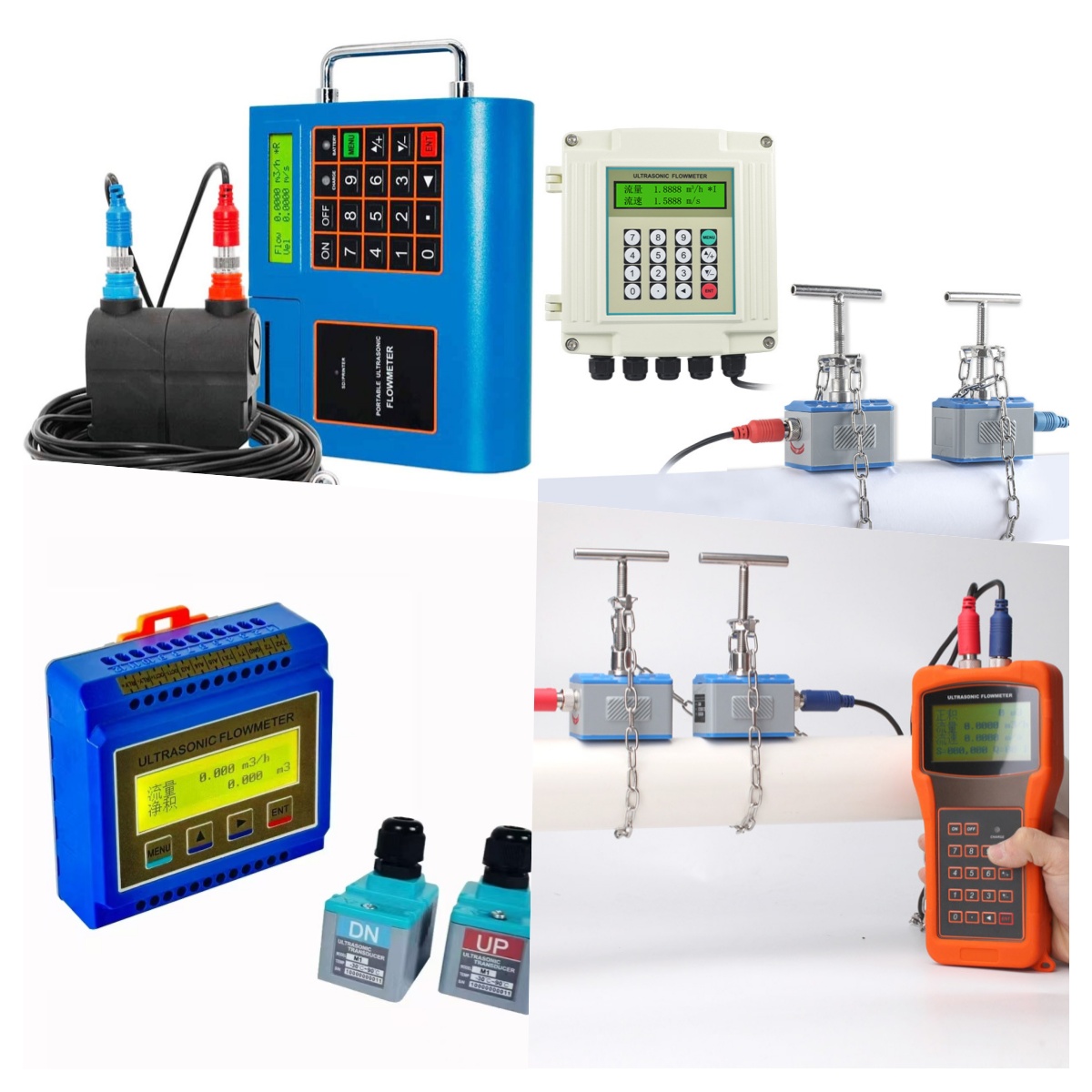
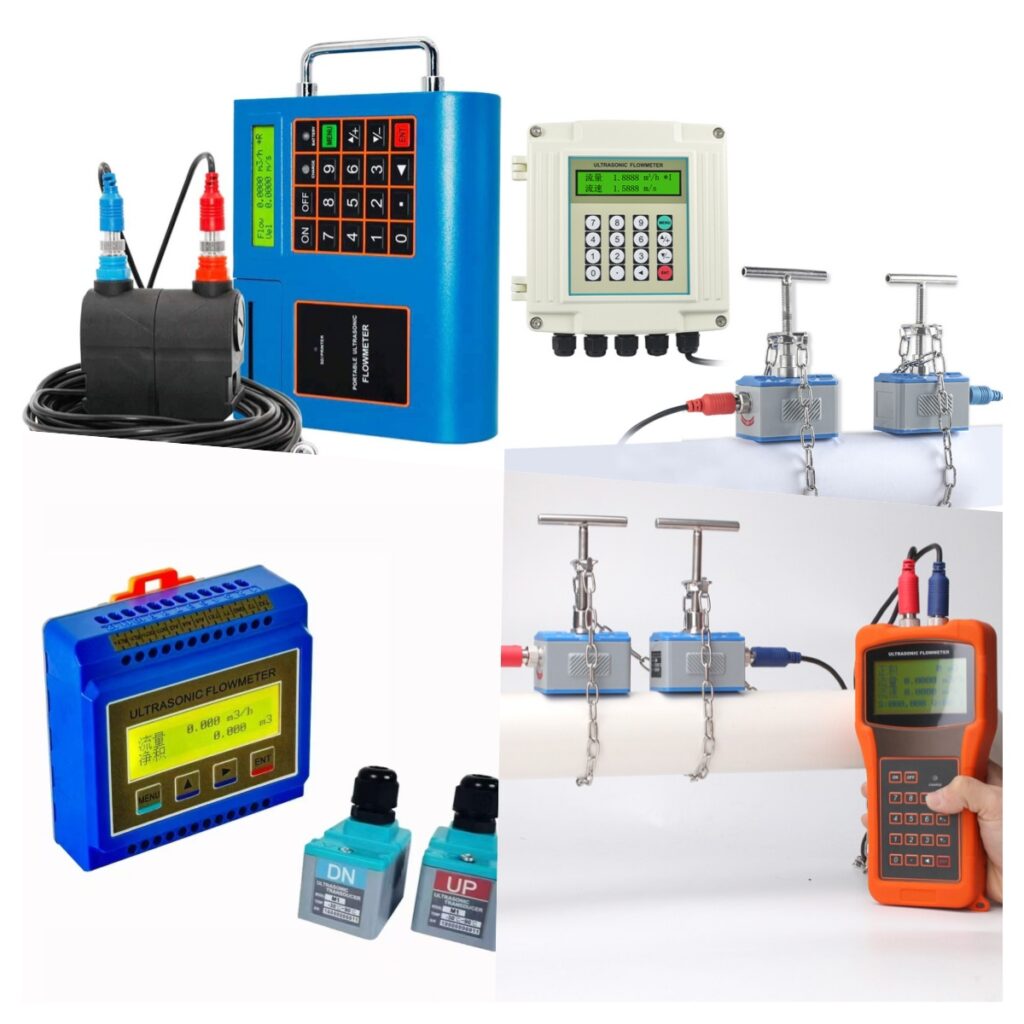
Choosing the right flow meter is critical for accurate measurement, process control, and long-term cost efficiency. Among the most widely used technologies are electromagnetic flow meters and ultrasonic flow meters.
While both are reliable and widely used, they operate on completely different principles and are suitable for very different applications.
This guide will help you clearly understand the differences—and avoid costly selection mistakes.
Working Principle
Electromagnetic Flow Meter
Electromagnetic flow meters are based on Faraday’s Law of Electromagnetic Induction.
When a conductive liquid flows through a magnetic field, it generates a voltage proportional to its velocity, which is then used to calculate flow rate.
👉 Key point:
✔ Requires conductive liquid
Ultrasonic Flow Meter
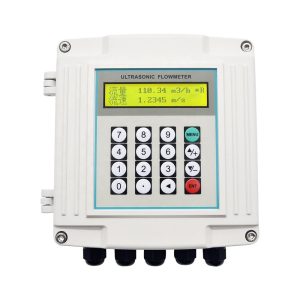
Ultrasonic flow meters use sound waves to measure flow velocity.
They calculate flow by comparing the time difference between upstream and downstream signals.
👉 Key point:
✔ Works with both conductive and non-conductive fluids
Key Differences at a Glance
Feature Electromagnetic Flow Meter Ultrasonic Flow Meter
Measurement Principle Electromagnetic induction Ultrasonic transit time / Doppler
Fluid Requirement Conductive liquids only Almost all liquids
Installation Inline (cut pipe) Clamp-on or inline
Accuracy High (up to ±0.2%) Medium to high (depends on conditions)
👉 Electromagnetic = accuracy + stability
👉 Ultrasonic = flexibility + easy installation
Accuracy Comparison
1. Electromagnetic flow meters
Accuracy up to ±0.2%
Stable even in harsh conditions (dirty liquids, chemicals)
2. Ultrasonic flow meters
High accuracy in clean, full-pipe systems
Performance affected by bubbles or solids
👉 Conclusion:
Dirty or complex liquids → Electromagnetic wins
Clean water systems → Ultrasonic works well
Installation & Maintenance
- Electromagnetic Flow Meter
Requires cutting the pipe
Needs proper grounding and straight pipe sections
Once installed → very stable - Ultrasonic Flow Meter
Clamp-on type = no pipe cutting
Ideal for retrofit projects
Minimal downtime during installation
👉 In many real projects:
Existing pipeline → Ultrasonic is preferred
New system → Electromagnetic is common
Fluid Compatibility (Most Important Factor)
This is where most engineers make mistakes.
- Electromagnetic Flow Meter
✔ Works with:
Water
Wastewater
Acid / alkali
Slurry
❌ Cannot measure:
Oil
Gas
Deionized water
👉 Because it needs conductivity
2. Ultrasonic Flow Meter
✔ Works with:
Water
Oil
Chemicals
Non-conductive liquids
👉 Much more versatile
Installation Conditions & Limitations
Electromagnetic meters require full pipe conditions
Ultrasonic meters require good acoustic signal conditions
Example:
Air bubbles → affect ultrasonic accuracy
Low conductivity → electromagnetic fails completely
👉 Wrong selection here can cause serious errors or even system failure
Typical Applications
- Electromagnetic Flow Meter
Water treatment plants
Wastewater systems
Chemical processing
Mining & slurry - Ultrasonic Flow Meter
HVAC systems
Energy monitoring
Temporary measurement
Large pipe flow measurement
Cost Consideration
- Electromagnetic:
Higher upfront cost
Long-term stable - Ultrasonic:
Lower installation cost
Especially for retrofit
👉 Real cost = equipment + installation + downtime
Which One Should You Choose?
- Choose Electromagnetic Flow Meter if:
✔ Liquid is conductive
✔ High accuracy is required
✔ Process is stable and permanent
2. Choose Ultrasonic Flow Meter if:
✔ No pipe cutting allowed
✔ Liquid is non-conductive
✔ Need portable or temporary measurement
Final Conclusion
There is no “better” flow meter—only the right one for your application.
👉 If your liquid is conductive and accuracy is critical →
Electromagnetic flow meter is the best choice
👉 If flexibility and easy installation matter more →
Ultrasonic flow meter is the better option
lrene
Sales manager
Hello, I’m Irene Wang, an international sales representative specializing in flow measurement instruments.I support global customers with product selection, technical information, and project quotations. Feel free to contact me for any flow meter inquiries.