The Ultimate Flow Meter Selection Guide: Electromagnetic, Vortex, and Ultrasonic Compared

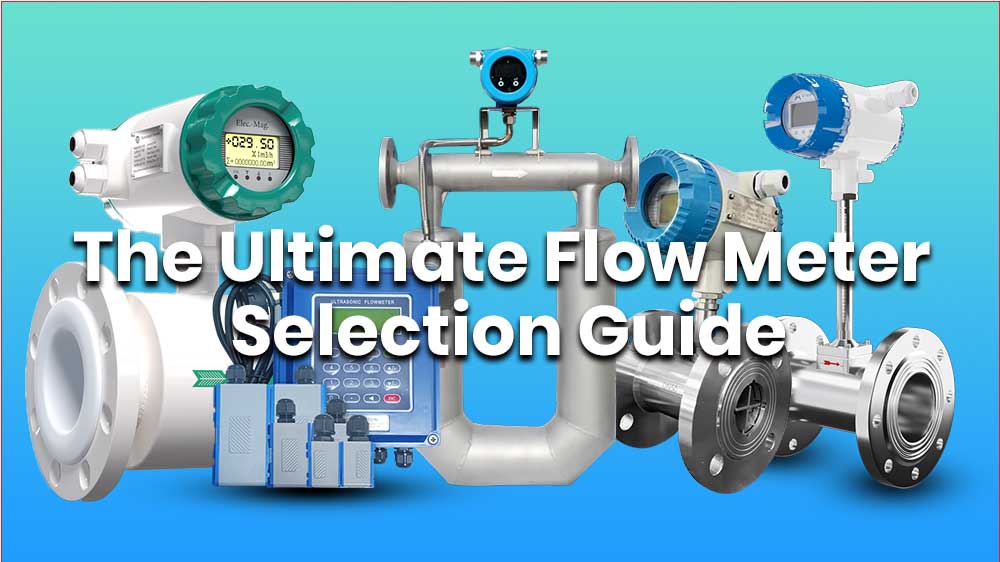
The 50-Word Answer
Flow meter selection relies strictly on fluid conductivity, particulate concentration, viscosity, and precision requirements. Use electromagnetic for conductive liquids. Specify Coriolis for ultimate mass/density accuracy. Deploy vortex for gases and steam. Choose ultrasonic for non-invasive retrofits, and turbine for clean, low-viscosity hydrocarbons. Match the physics to the fluid.
The Ultimate Comparison Matrix
| Flow Meter Type | Operating Principle | Best For | Do NOT Use For | Typical Accuracy |
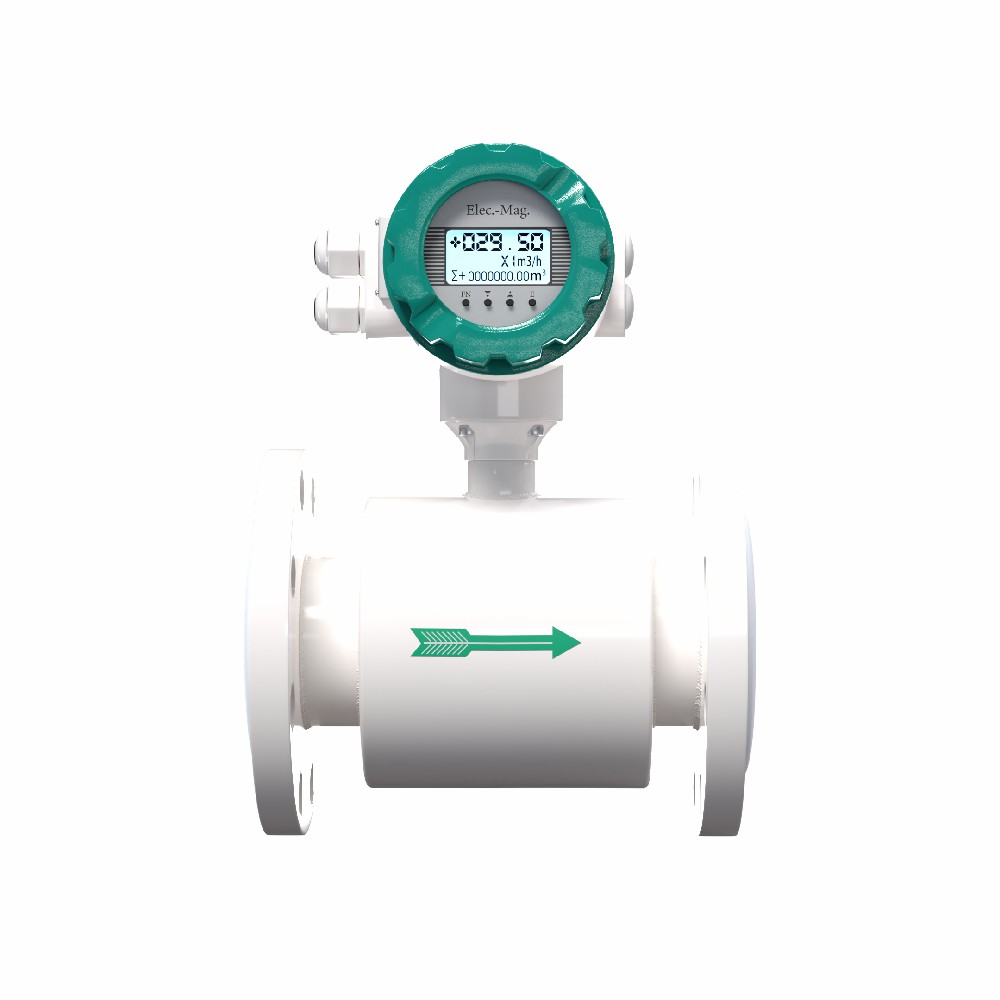
| Electromagnetic | Faraday’s Law of Induction | Water, wastewater, slurries, acids, conductive liquids | Non-conductive fluids (hydrocarbons, DI water), gases | ±0.2% to ±0.5% |
| Ultrasonic (Transit-Time) | Acoustic signal time differential | Clean water, large diameter pipes, non-invasive retrofits | Fluids with high aeration/particulates, steam | ±0.5% to ±1.0% |
| Vortex | Von Kármán effect (vortex shedding) | Steam (saturated/superheated), compressed air, industrial gases | Highly viscous fluids, very low flow velocity systems | ±0.75% to ±1.0% |
| Coriolis | Tube vibration phase shift (inertia) | High-value custody transfer, changing viscosities, exact mass flow | Large diameter pipes (>8 inches, cost becomes prohibitive) | ±0.1% or better |
| Turbine | Kinetic energy turning a mechanical rotor | Clean hydrocarbons, aerospace fuels, low-viscosity liquids | Slurries, fluids with high suspended solids, corrosive acids | ±0.25% to ±0.5% |
Step-by-Step Decision Logic
- Is the fluid a gas, steam, or liquid?
- If Gas or Steam -> Go to Step 2.
- If Liquid -> Go to Step 3.
- Are you measuring industrial gas or high-temperature steam?
- Is the liquid electrically conductive? (Conductivity ≥ 5 µS/cm)
- Yes -> Specify Electromagnetic (unaffected by fluid density, pressure, or viscosity).
- No -> Go to Step 4.
- Does the fluid contain heavy particulates, slurries, or aeration?
- Yes -> Consider Coriolis (mass flow ignores flow profile) or specialized Doppler Ultrasonic.
- No (Clean fluid) -> Go to Step 5.
- What is the precision and installation requirement?
- Need absolute custody-transfer accuracy and direct mass/density -> Specify Coriolis.
- Cannot cut the pipe or interrupt the process -> Specify Clamp-on Ultrasonic.
- Clean hydrocarbons with low viscosity -> Specify Turbine.
Pro Tips: Field Engineer Pitfall Avoidance
- Ignoring Straight Pipe Run Requirements: The most common cause of poor accuracy in the field is installing a velocity-based meter directly downstream of a pump, control valve, or 90-degree elbow. Technologies like Vortex and Turbine require a fully developed, symmetrical flow profile to function. Correction: Always enforce a minimum of 10D (pipe diameters) upstream and 5D downstream of straight, unobstructed piping in your isometric drawings.
- Misapplying Transit-Time Ultrasonic in Aerated Fluids: Transit-time ultrasonic meters require a clean, continuous acoustic path. Applying them to liquids with entrained gas bubbles (>1-2% by volume) or heavy suspended solids scatters the acoustic signal, leading to data degradation or total signal loss. Correction: If the fluid has significant aeration or bubbles, abandon transit-time. Switch to a Doppler ultrasonic meter or a Coriolis mass flow meter.
Manufacturer Sourcing and Engineering Support
When specifying measurement instrumentation, partnering directly with a primary manufacturer ensures exact application matching and long-term reliability. As a professional flow meter manufacturer, KFBEST provides a comprehensive portfolio of industrial fluid measurement solutions, including electromagnetic, vortex, and ultrasonic systems. For complex fluid dynamics or challenging piping constraints, KFBEST provides 1v1 dedicated engineering support to ensure optimal specification, system integration, and lifecycle performance.
admin
System Administrator
Thank you for reading our technical insights and industry news.