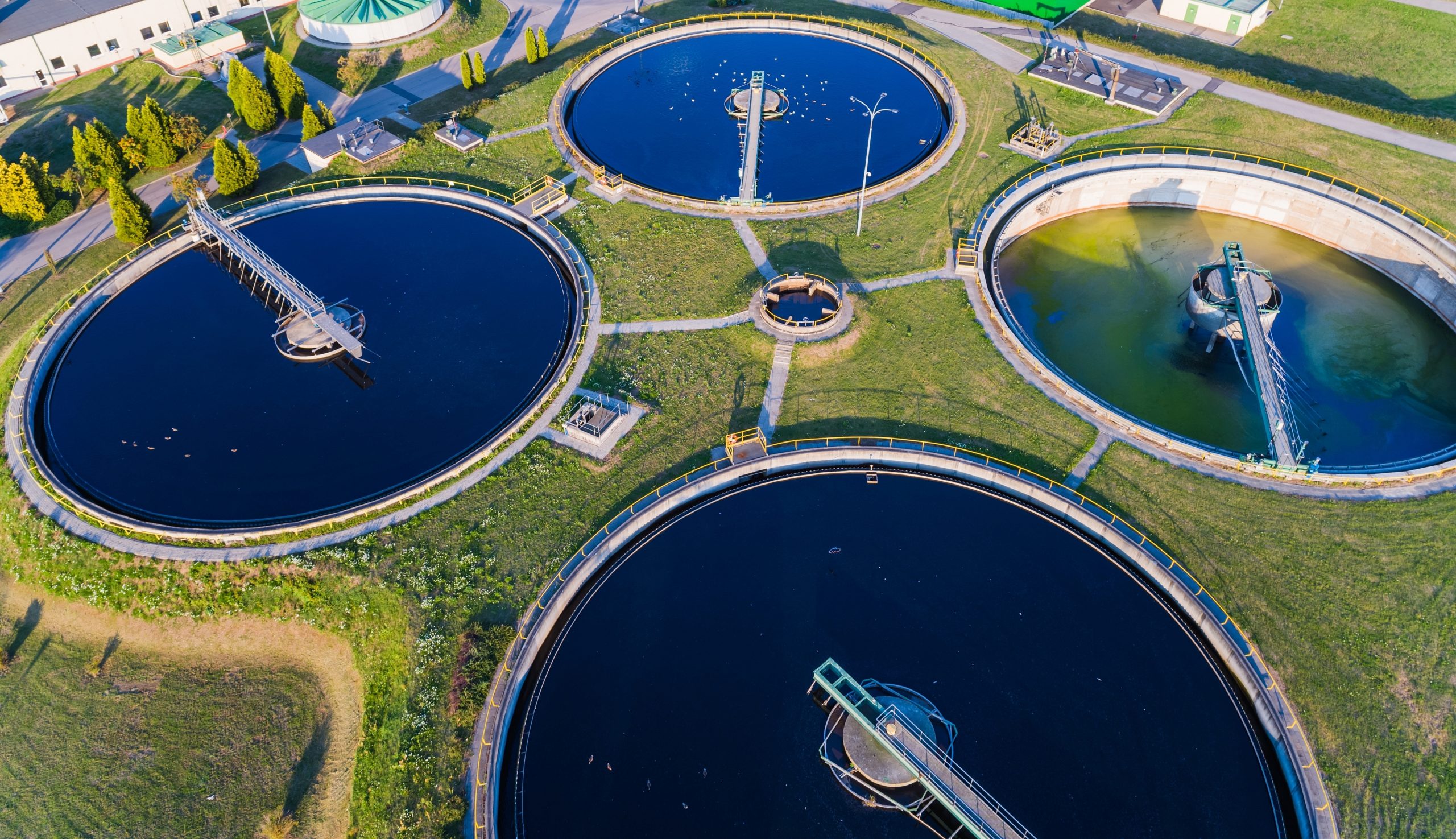
The Water & Wastewater industry is a core field of national economic infrastructure, and its core value lies in ensuring the stability, efficiency and compliance discharge of water treatment processes through accurate measurement of flow parameters of various water media, while providing reliable data basis for water resource allocation and treatment cost accounting. In terms of medium characteristics, the covered medium types mainly include raw water, domestic sewage, industrial wastewater, reclaimed water, etc. Such media are mostly conductive liquids, often containing impurities such as suspended particles and organic matter. Some industrial wastewater has certain corrosiveness, the temperature is mostly normal to medium temperature, and the pressure range is wide. The differences in medium characteristics under different working conditions put forward strict requirements for the anti-interference and anti-pollution performance of flow measurement
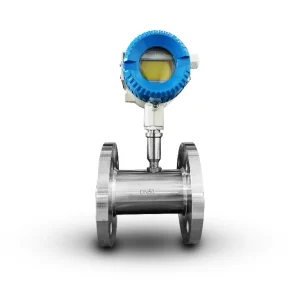
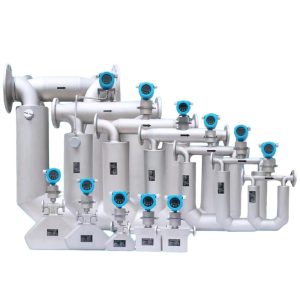
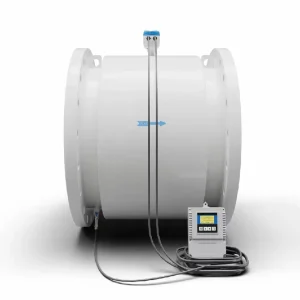
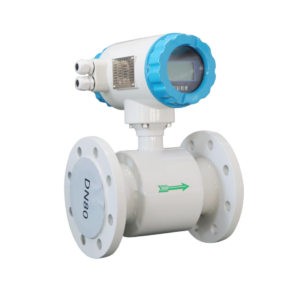
The relevant factory types or unit types covered by this industry focus on the entire water treatment process, mainly including sewage treatment, tap water supply, industrial pure water preparation and other fields. Different types of factories and units have differentiated demands for flow measurement equipment due to differences in treatment processes and water quality requirements. In terms of commonly used flow equipment, the mainstream equipment includes electromagnetic flowmeters (suitable for conductive sewage and raw water), ultrasonic flowmeters (suitable for large-diameter pipe networks), vortex flowmeters (suitable for reclaimed water and clear water), etc.; supporting valves include butterfly valves, gate valves, check valves, etc. These valves are used in conjunction with flowmeters to achieve precise control and regulation of water medium flow, ensuring the smooth operation of the water treatment process. In addition, with the advancement of smart water utilities, intelligent flow measurement equipment has gradually become the mainstream, with functions such as remote data transmission, real-time monitoring, and fault early warning, further improving the industry’s automated management level and water resource utilization efficiency.