Electromagnetic Flow Meter Calibration: Methods & Best Practices

Introduction
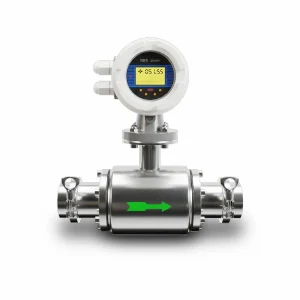
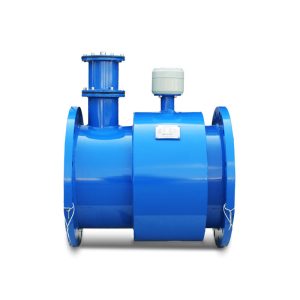
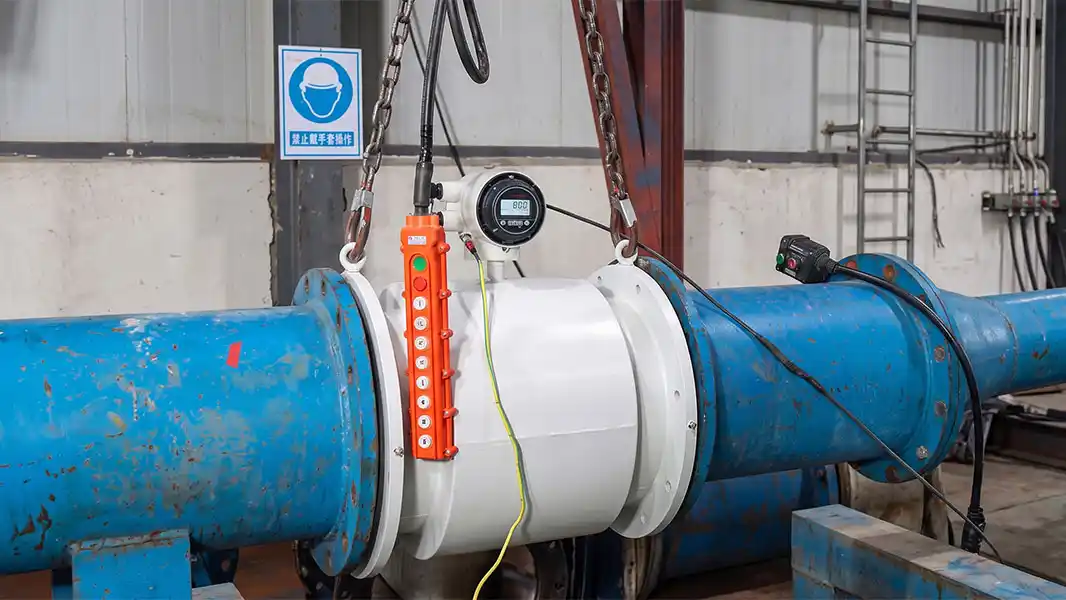
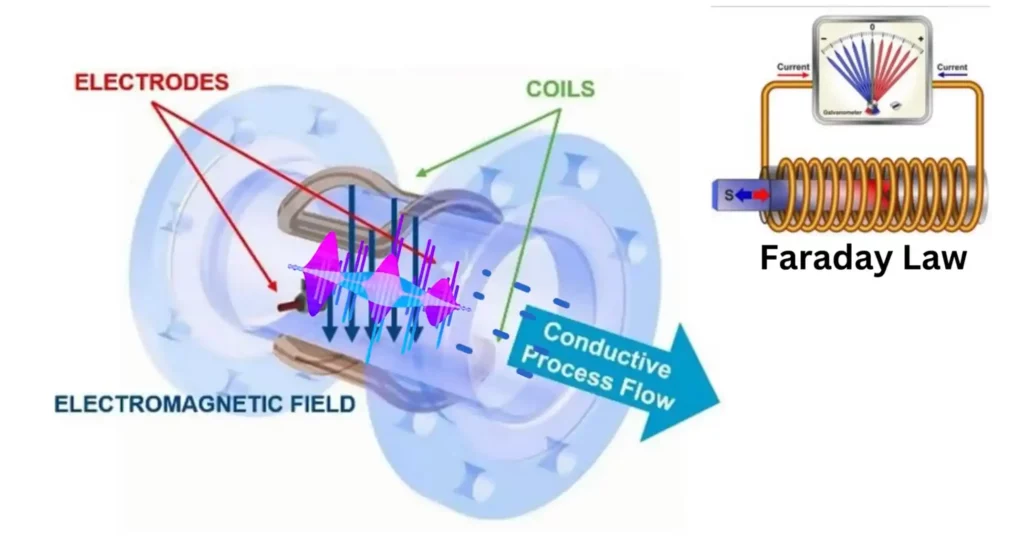
Accurate flow measurement is the backbone of industrial process control. Electromagnetic flow meter calibration is an essential maintenance procedure required to ensure your instruments remain accurate, reliable, and fully compliant with stringent industry standards. Commonly known as mag meters, these devices measure the flow rate of conductive fluids using a magnetic field and electrodes. Over time, calibrating an electromagnetic flow meter becomes critical to safeguarding process quality and operational efficiency.
Why is Electromagnetic Flow Meter Calibration Essential?
Mag meters generate a voltage proportional to the fluid’s velocity. To guarantee that this electrical signal precisely matches the actual physical flow rate, rigorous calibration is necessary. Regular calibration prevents measurement drift, reduces material waste, and ensures safety in heavy-duty industrial applications.
Top Methods for Electromagnetic Flow Meter Calibration
There are several industry-standard methods to perform electromagnetic flow meter calibration, each suited for different on-site situations and accuracy requirements.
1. Wet Calibration (Maximum Accuracy)
Wet calibration is universally recognized as the most accurate method for calibrating these instruments. It involves passing a physically known volume of liquid through the flow meter and comparing the actual flow to the meter’s digital reading. This process is highly controlled and typically performed in a certified calibration lab or using a portable setup on-site.
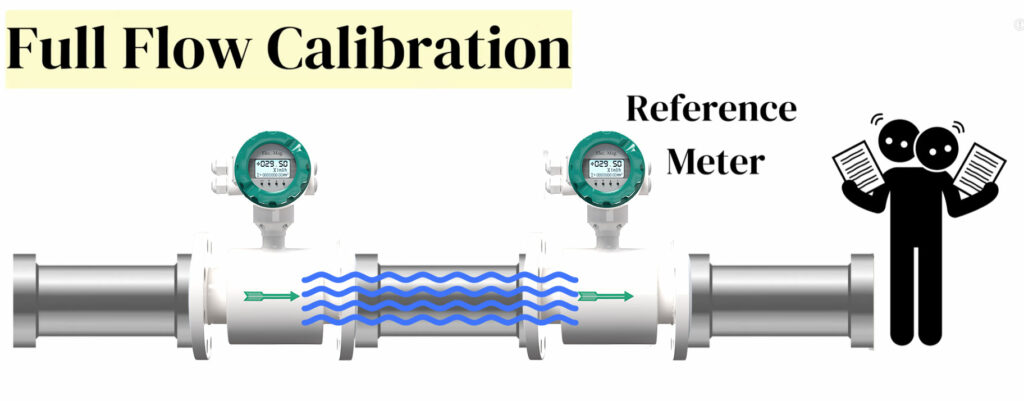
- Full Flow Calibration: The instrument is installed in a closed test loop. A reference meter of exceptionally high, known accuracy measures the baseline flow rate, which is then strictly compared against the target electromagnetic flow meter’s readings.
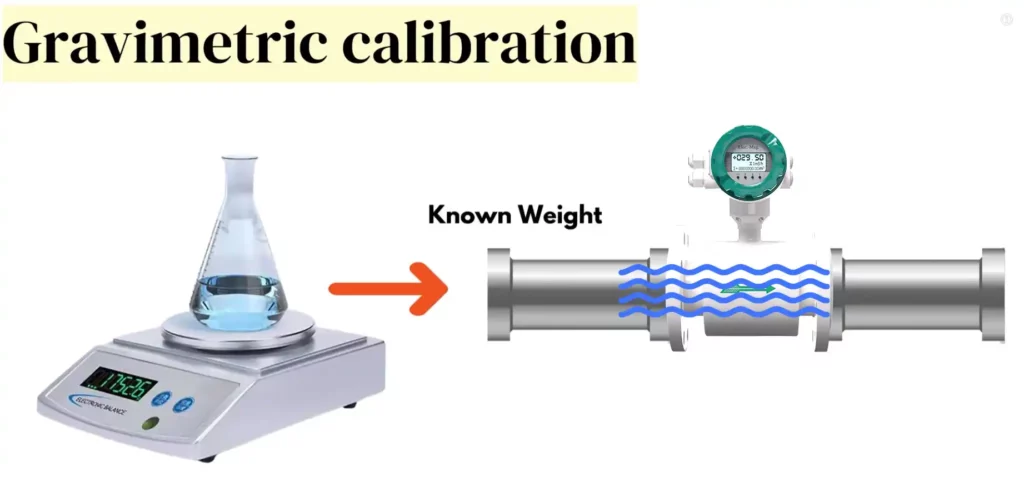
- Gravimetric Calibration: The test fluid is precisely weighed before and after passing through the meter. Calculating the weight difference over a specific time interval reveals the true flow rate, allowing technicians to adjust the meter accordingly.
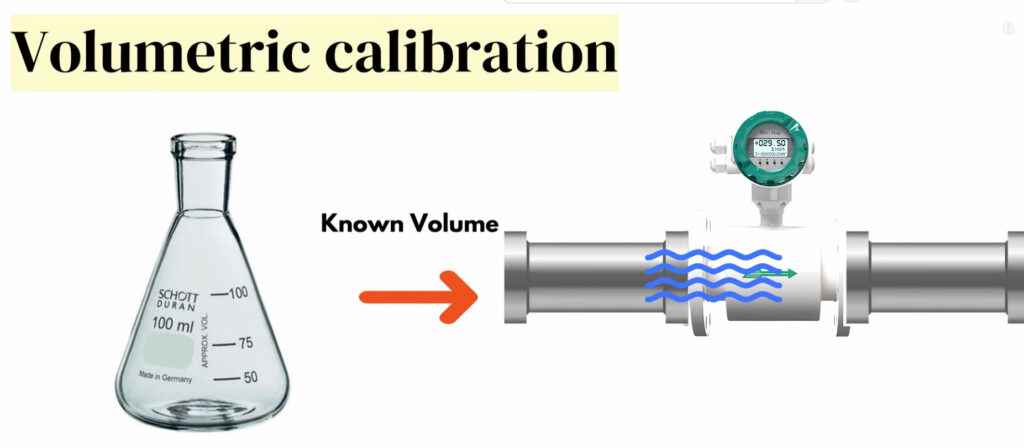
- Volumetric Calibration: Instead of measuring mass, the fluid is routed into a highly calibrated collection tank for a set duration. The accumulated volume determines the exact flow rate.
2. Dry Calibration (Electronic Simulation)
Dry calibration, often referred to as electronic simulation, entirely bypasses the need for liquid flow. This method utilizes specialized electronic signals to simulate distinct fluid flow conditions, checking the internal electronics and response of the meter against expected baseline values.
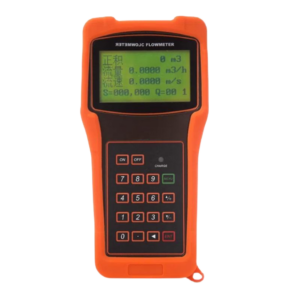
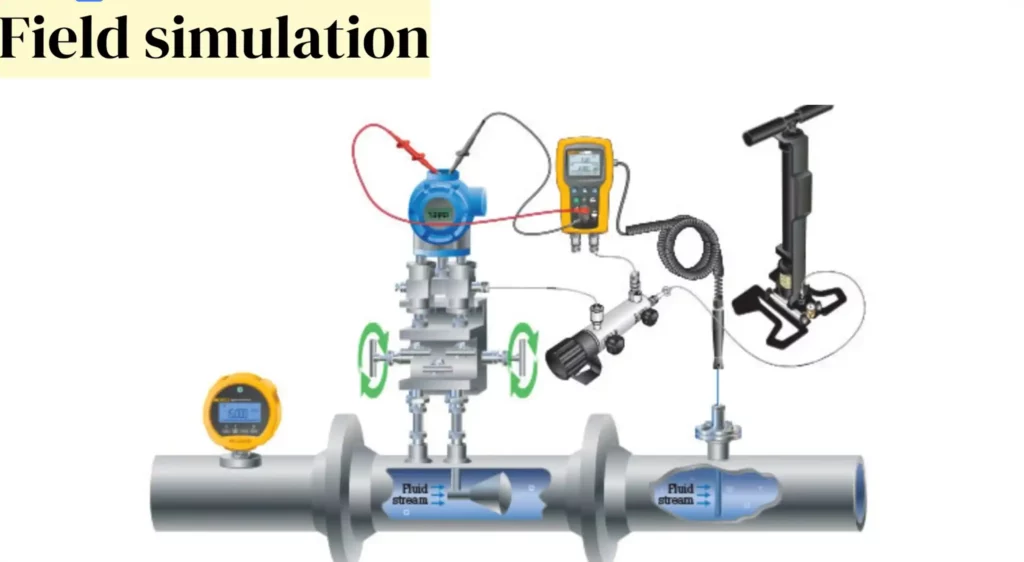
- Field Simulation: Designed for rapid, on-site calibration, field technicians utilize a compact calibration device to inject simulated current or voltage signals directly into the meter.
- Factory Calibration: Before final shipment and installation, flow meters undergo rigorous dry calibration at the manufacturing facility using precision equipment to mimic diverse industrial flow scenarios.
3. In-Situ Verification (Non-Intrusive Checking)
For continuous industrial processes where pipeline shutdown is not feasible, in-situ verification is the ideal solution. This non-intrusive method evaluates the flow meter’s performance while it remains installed and actively operating in the process line. Technicians typically rely on advanced diagnostic software provided by the manufacturer to verify the magnetic field strength and electrode integrity.
Conclusion
Selecting the right approach for electromagnetic flow meter calibration depends heavily on your facility’s operational constraints and accuracy demands. Whether you opt for a highly precise wet calibration or a convenient in-situ verification, regular maintenance is the key to reliable flow measurement.
admin
System Administrator
Thank you for reading our technical insights and industry news.